The choice of alloy is critical for the integrity of construction. Manufacturers focuse attention on the chemical inertness and weight of materials already at the production stage. This provides a clear description and definition of the differences between ferrous and non-ferrous metals.
Humanity has gone from using ores as a mineral resource to the modern production of copper, zinc, bronze, and aluminium.
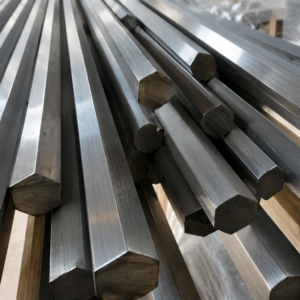
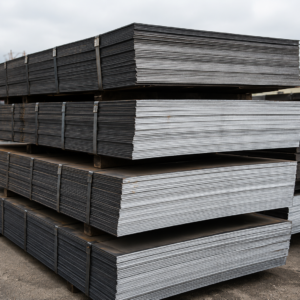
By definition, these are iron-based alloys, which determines their ferrousity. The key property is resistance to pressure. The term means the presence of iron in the composition. Their list includes steel, cast iron, and wrought iron. High ferrousity determines their mechanical properties, but when exposed to moisture, they develop rust.
They are used in the electrical industry due to their magnetism; however, they are prone to corrosion.
They are distinguished by the level of carbon content. It determines whether the material will be brittle or flexible. Without protective coatings or special alloying, iron quickly returns to its natural state – iron oxide (rust under conditions of high humidity). This clearly illustrates the meaning of metal behaviour in different environments.
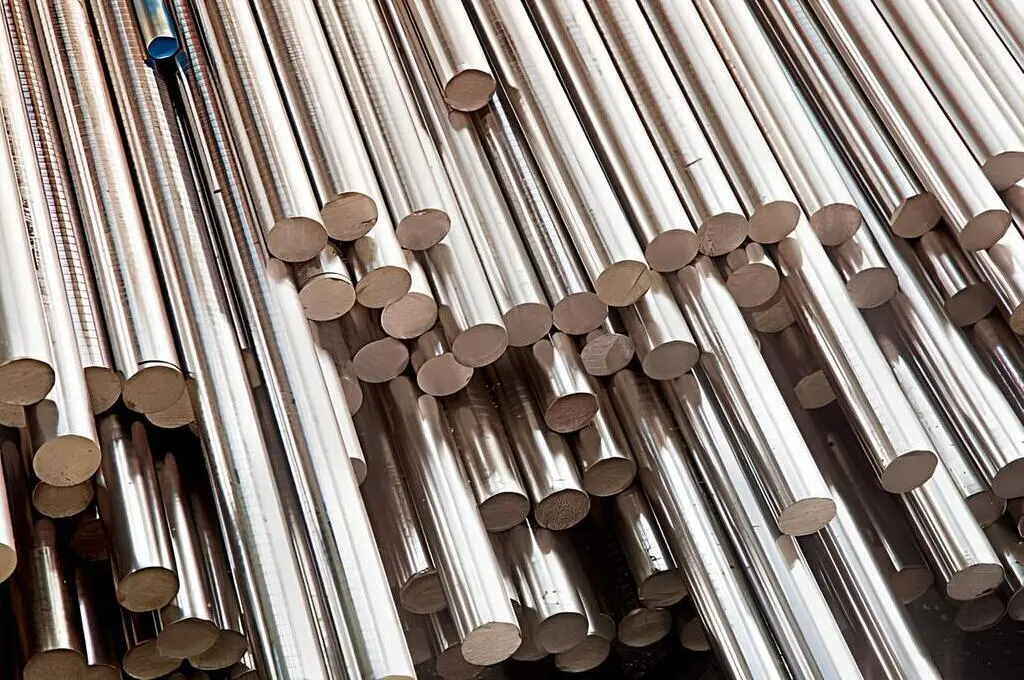
Non-ferrous metals are a specific group of materials whose unique physical and chemical characteristics make them indispensable in modern manufacturing:
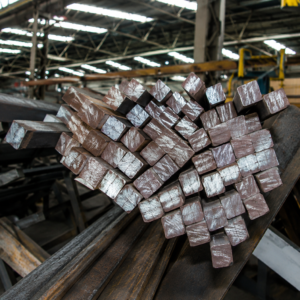
They successfully compete with ferrous alloys in industry. This type includes zinc, lead and silver. Main description: high corrosion resistance, conductivity. Non-ferrous alloys are used in the manufacturing, production sectors.
Let us conduct a detailed analysis versus their characteristics in order to understand which particular difference between ferrous and non-ferrous metals is critical for your technical task:
| List of parameters | Ferrous | Non-Ferrous |
| Iron Content | Basic structural component. | Completely absent / impurity only. |
| Magnetic Properties | Strong properties. | Paramagnetic / diamagnetic. |
| Corrosion Resistance | Extremely low; require painting or galvanising. | High; independently resist oxidation. |
| Density | Massive materials with high specific weight. | Lightweight alloys. |
| Strength and Durability | The highest indicators of tensile and fracture strength. | Sufficient strength with high plasticity. |
| Cost | The cheapest option for mass construction. | Expensive materials. |
| Recyclability | Recyclable, easily sorted by magnets. | Extremely valuable as secondary raw materials. |
| Electrical and Thermal Conductivity | Low conductivity due to significant internal resistance. | Excellent electrical, thermal conductors. |
The above data clearly illustrate why the difference between ferrous and non-ferrous materials forms the basis of any engineering calculation.
A comparison of ferrous vs non-ferrous materials makes it possible to understand the difference. The main differences between these metals are related to iron content, weight, corrosion resistance, electrical conductivity. These characteristics determine their areas of application.
This group ensures the stability of global infrastructure.
Hardness. This is the main material for the manufacturing of industrial drills, saws, and other tools that must withstand significant friction.
Resistance to water. This is the standard for surgical instruments and professional kitchen equipment.
Contains impurities of nickel, manganese, or vanadium that improve impact toughness and wear resistance. Used for the production of engine parts and heavy machinery.
Brittle but resistant to wear and temperature fluctuations. Suitable for the production of cylinder blocks and cookware.
Very ductile. Used for decorative grilles, chains, and rivets.
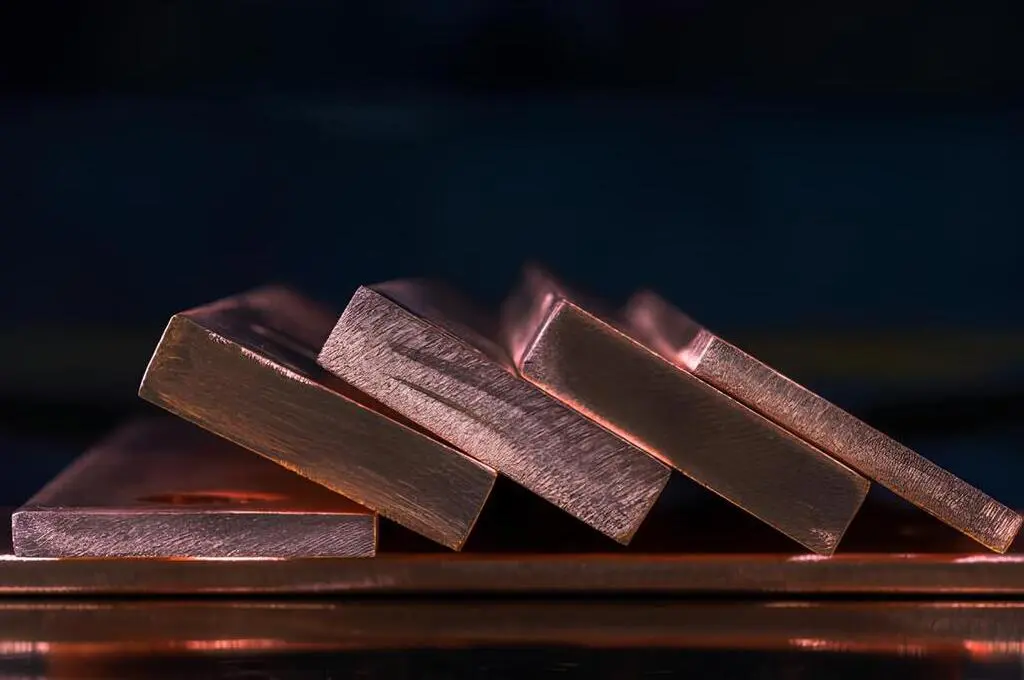
Understanding the meaning of what is the difference between ferrous and non-ferrous metal often comes down to analysing the latter as a specialised technological solution.
Lightweight, does not rust, and conducts heat well, which makes it indispensable in the manufacturing of beverage cans, window frames, and aircraft.
High electrical conductivity. Used for the production of cables and motor windings.
Capable of blocking radiation. Application: medicine and the manufacturing of batteries.
Used for galvanising. Applying a zinc layer to a steel surface reliably protects it from corrosion for decades.
Ductile and resistant to organic acids. Used for tin-plating food cans and as a component of solders for electronics soldering.
An alloy of copper and zinc with a low coefficient of friction; therefore, it is used for the production of fittings, musical instruments, and plumbing pipes.
The alloy of copper and tin is resistant to mechanical wear and durability. Heavy industrial bushings, artistic sculptures are cast from it.
The needs of industry force engineers to study the properties of metals before designing. Their use is divided according to properties:
The division of the application areas of ferrous and non-ferrous metal shows that neither group of materials can completely replace the other. The difference between ferrous and non-ferrous metals, with examples, shows that the former remain an irreplaceable basis for bearing heavy loads, while the latter provide high conductivity and low weight. Examples of the former include steel and cast iron; examples of the latter include copper and aluminum.
There are various types of ferrous and non-ferrous metals. A comparison versus groups of metals helps distinguish their properties, choose the right material. The source of raw materials is often ore, which consists of minerals, rock.
For industrial projects, it is important to cooperate with a reliable steel supplier that can offer modern solutions in the field of ferrous and non-ferrous alloys.
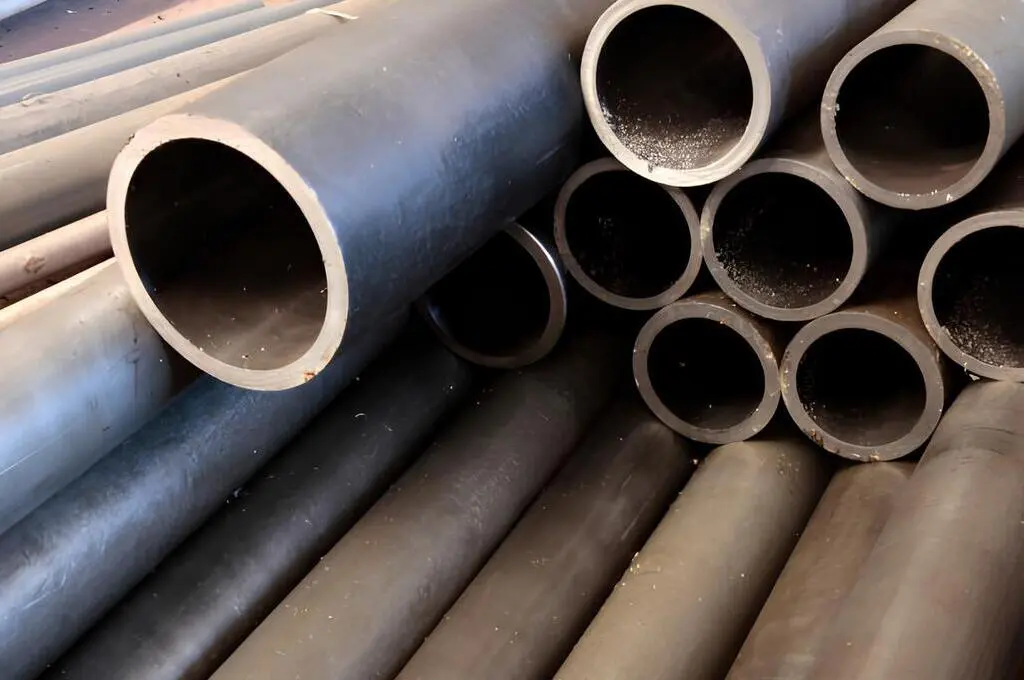
When considering the properties of ferrous and non-ferrous metals, let us structure their key advantages and disadvantages for analysis:
| Metal category | Advantages | Disadvantages |
| Ferrous | Maximum strength for enormous loads.
Wide availability and low cost. |
High vulnerability to moisture and rusting.
Heavy weight, which increases logistics costs. |
| Non-Ferrous | Light weight.
High corrosion resistance. |
High market price.
Difficulty in welding certain types of alloys. |
Recent research in the field of nanomaterials makes it possible to create ferrous and non-ferrous alloys with programmable properties. For example, the addition of graphene to aluminium makes it stronger than steel while maintaining its lightness.
When analysing examples of ferrous and non-ferrous metals, compare the operating conditions: for internal static structures, choose steel, while for external or underwater objects, choose copper or aluminium. By understanding the advantages that different materials have in specific cases, you can ensure the stability and longevity of your business.
It is a ferrous metal. Its base is iron. The chromium content creates a protective passive layer on the surface, making it resistant to corrosion.
It is a non-ferrous metal. It contains no iron, it is not attracted to a magnet, and demonstrates excellent natural resistance to atmospheric factors.
Cast iron is a ferrous metal: an iron alloy with a high carbon content. It is a clear example of this group.
Titanium is a non-ferrous metal: a refractory element that is valued in the aerospace industry for its extreme strength-to-weight ratio.
The primary identification method is the use of a magnet. They do not react to a magnetic field. You can also rely on color (copper is red, brass is yellow), the weight of the material.
They are non-magnetic. This meaning characteristic is used for their identification.
The Most Heat-Resistant Metals and Alloys for Industrial Applications
The aerospace, energy, and metallurgical industries use high-strength materials. This raises the question: what metal is heat resistant, according to industry experts? First and foremost, it is one that has a high melting point and creep resistance. However, it is impossible to say definitively what is the most heat resistant metal. After all, a high-performance […]