
Need a consultation?
Leave your contact details and we will contact you soon.
Showing all 11 results
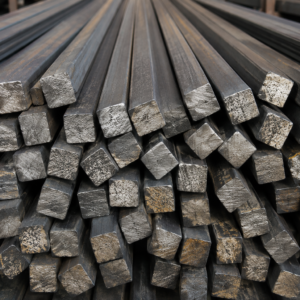
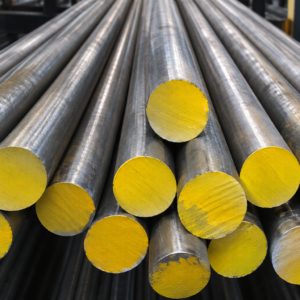
To ensure the resistance of certain types of equipment to aggressive environments, it is necessary to select a special material for production. The best option is heat-resistant steel. It retains its properties even when heated to extreme temperatures and subjected to the harshest conditions. Aspersteel offers its customers a wide range of products. Choose the material of the desired shape and size, and we will ensure prompt delivery.
The material can withstand extreme temperatures, making it suitable for use in the energy, metallurgy, gas and oil industries, mechanical engineering, and aviation. Such alloys are ideal for the production of the following units:
Heat-resistant steels are also used to manufacture rolled metal for reactors, combustion chambers, and tanks of various capacities.
Each industry has specific requirements for characteristics, so manufacturers produce several types of products. To understand which option is suitable for a specific purpose, you need to familiarize yourself with the basic criteria:
However, the main classification is based on chemical composition. You can order heat-resistant metals of the ferritic (12X23H18), martensitic (15X11MF), and austenitic (20X23H18) types.
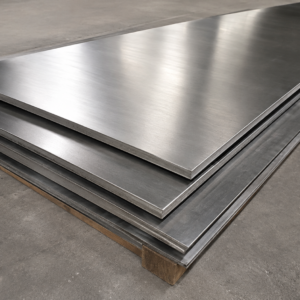
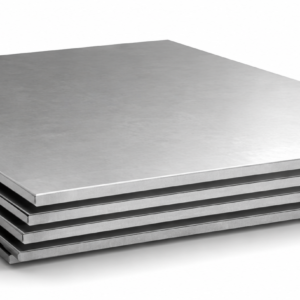
The last category consists of high-temperature-resistant chromium-nickel sheets that can withstand elevated temperatures. Thanks to this, austenitic types of metal are used in many areas. Martensitic sheets contain a high percentage of carbon, while ferritic sheets contain up to 30% chromium.
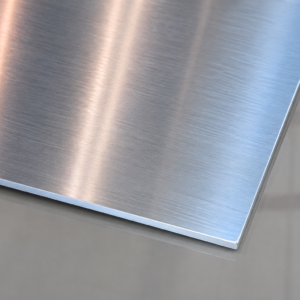
High quality and impeccable durability distinguish stainless alloys offered by modern suppliers. Heat resistant stainless steel sheets (including austenitic ones) also withstand mechanical loads in the temperature range from 500 to 1100 degrees, are resistant to oxidation, corrosion in hot gas, and scale formation.
It is also worth knowing about good creep resistance. There is no deformation, even when heat-resistant stainless steel is under load for an extended period. This is possible thanks to the high resistance of the alloy.
As for the marking, it indicates the composition of the material. For example, grade 20Х23Н18 refers to a composition of 18% nickel, 23% chromium, and 0.20% carbon. Several elements are used to produce the alloy. These include tungsten, titanium, molybdenum, nickel, chromium, and iron. Silicon, manganese, and aluminum are also added to the metals.
Aspersteel offers heat-resistant steel from well-known global manufacturers. They come in different types, which vary in thickness, grade, characteristics, and cost. Before buying, it is useful to study the assortment in more detail. The following grades are currently available for order:
In addition, the catalog features a model of the AISI 314 / EN 1.4841 brand.
Manufacturers obtain liquid metal by melting it in furnaces or special units. The resulting mass is alloyed. To do this, tungsten, molybdenum, nickel, chromium, and other elements that improve strength are added to the composition. This creates alloys, which are then graded.
Next, the molten material is poured into molds to produce continuously cast rolled products, sheets, billets, and ingots. After that, hot deformation and heat treatment are carried out. The technological process ends with the inspection of finished parts, which will then be used for furnaces and other steel units.
To make the right choice, it is necessary to consider the working environment, alloy grade, temperature range, and type of mechanical loads on stainless products. For example, for operation at temperatures of 900–1100 °C, it is preferable to choose nickel alloy sheets (e.g., austenitic), and for operation in environments with temperatures up to 600 °C, low-carbon grades are suitable.
Heat-resistant austenitic stainless steels can withstand aggressive environments (sulfur-containing gases, alkalis, and acids). For chambers with conditions conducive to oxidation (such as steam, air, or gas flows), it is recommended to choose grades of refractory sheet metal with a high chromium content.
An important factor is the intended use of the material. If you need durable alloys for boilers, valves, or other equipment, it is advisable to consult with the supplier’s representatives.
The cost of products varies depending on several factors, including the cost of production, grade, resistance of sheets to a specific temperature range, technical characteristics, and the manufacturer. For example, austenitic sheet metal, which does not melt when heated to 900-1100 degrees, will cost more because it is reinforced with additional resistant components.
If you decide to purchase materials for devices operating in high-temperature environments, inquire about the current price per kilogram during a consultation. Experienced Aspersteel managers will provide detailed information about each type of alloy and help you select the optimal solution for your specific project.
The company cooperates with well-known metallurgical plants and supplies only high-quality heat-resistant steel. The material meets all requirements, making it suitable for aggressive environments with high temperatures. There are other reasons why customers choose our solutions:
In our store, you can find high heat resistant steel sheets for projects of any complexity!
You can place an order for high temperature resistant steel online on our website or by phone. If you choose the first option, add the product of the desired brand to your cart and submit your request. Need advice? Call our managers. They will advise you on the most suitable metal for your needs.