
Need a consultation?
Leave your contact details and we will contact you soon.
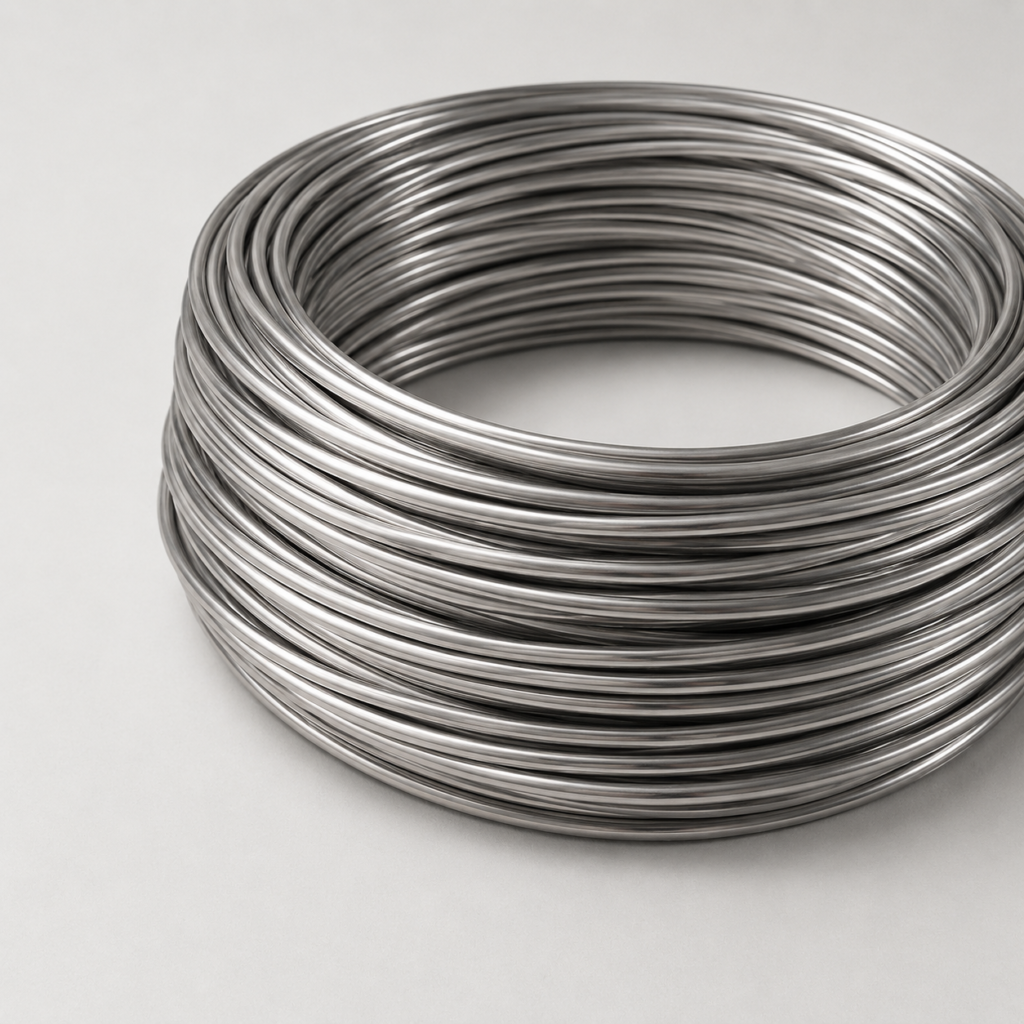
Steel wire for ropes DIN 2078, EN 10264-2 and EN 10264-3 is high-strength steel wire used to manufacture steel ropes for industrial, construction, lifting, and transport applications. The wire combines high tensile strength with the mechanical properties required for rope production and repeated loading. ⚙️ General Technical Characteristics of DIN 2078 and EN 10264 Wire […]
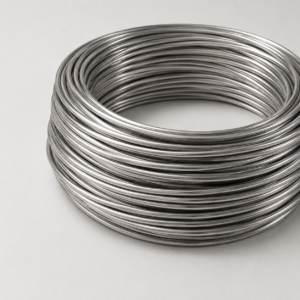
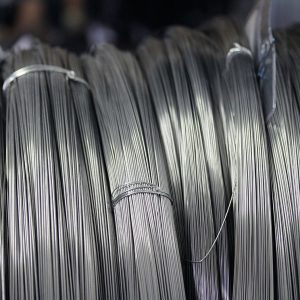
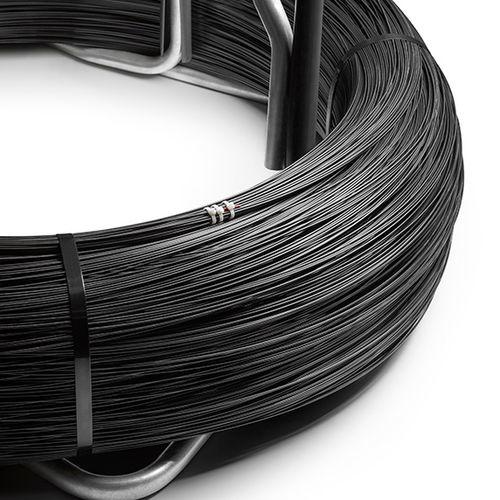
Steel wire for ropes DIN 2078, EN 10264-2 and EN 10264-3 is high-strength steel wire used to manufacture steel ropes for industrial, construction, lifting, and transport applications. The wire combines high tensile strength with the mechanical properties required for rope production and repeated loading.
| Parameter | Value |
| Standard | DIN 2078, EN 10264-2,3 |
| Wire Type | High-strength carbon steel |
| Wire Diameter | 0.5 mm – 6.0 mm |
| Tensile Strength | 1370-2160 MPa |
| Coating | Uncoated, galvanized, zinc-aluminum alloy |
| Elongation | 3-7% |
🔹 Steel rope production – used for lifting mechanisms, elevators, cranes, and other rope systems.
🔹 Construction – used in suspension structures, bridge systems, and safety applications.
🔹 Mining industry – used for hoisting mechanisms and mining rope systems.
🔹 Maritime and port industry – used for ropes and cable systems operating in demanding environments.
🔹 Automotive industry – used for steering cables and other cable components.
High tensile strength – withstands significant tensile loads in rope applications.
Wear resistance – provides resistance to mechanical abrasion during operation.
Corrosion protection – galvanized and zinc-aluminum coatings provide additional protection against corrosion.
Flexibility and durability – suitable for steel ropes subjected to repeated loading.
Various coating options – available with different surface conditions according to application requirements.
The chemical composition depends on the steel grade and applicable standard requirements. The wire is manufactured from non-alloy steel with controlled contents of carbon, manganese, silicon, sulfur, and phosphorus. Zinc and aluminum, where applicable, are components of the protective coating rather than the base steel.
| Element | Content (%) |
| Carbon (C) | Grade-dependent |
| Manganese (Mn) | Grade-dependent |
| Silicon (Si) | Grade-dependent |
| Sulfur (S) | Controlled according to standard requirements |
| Phosphorus (P) | Controlled according to standard requirements |
| Property | Value |
| Tensile Strength | 1370-2160 MPa |
| Elongation | 3-7% |
| Elastic Modulus | 190-210 GPa |
| Mechanical Characteristics | Depend on wire grade, diameter, and applicable standard requirements |
✔ High load-bearing capacity – provides the strength required for steel rope production.
✔ Resistance to demanding operating conditions – suitable for industrial, construction, lifting, and transport applications.
✔ Manufacturing flexibility – available in different diameters, coatings, and strength classes.
✔ Resistance to fatigue – suitable for rope systems subjected to repeated loading.
✔ Wide range of applications – used in construction, transportation, lifting systems, and industrial equipment.
Steel wire manufactured according to DIN 2078, EN 10264-2 and EN 10264-3 is used for producing steel ropes for construction, mechanical engineering, transportation, lifting systems, and other industrial applications. Its high tensile strength, range of available diameters, and different coating options make it suitable for various rope manufacturing requirements.
Steel wire for ropes
DIN 2078, EN 10264-2, EN 10264-3
Available diameters: 0.20-4.00 mm
Nominal tensile strength: 1180-2160 MPa
There are no reviews yet.