
Need a consultation?
Leave your contact details and we will contact you soon.
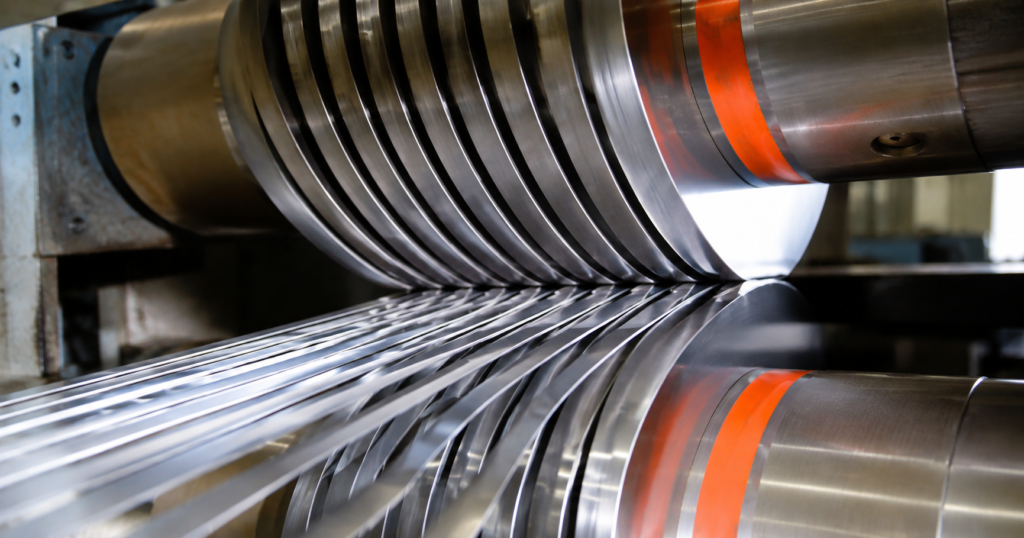
Thermobimetallic Strip: Technical Characteristics, Applications, and Features General Technical Characteristics A thermobimetallic strip is a composite material consisting of two metal layers with different coefficients of thermal expansion. When the temperature changes, the layers expand or contract at different rates, causing the strip to bend. This property makes thermobimetallic strips suitable for temperature-sensitive applications. The […]
A thermobimetallic strip is a composite material consisting of two metal layers with different coefficients of thermal expansion. When the temperature changes, the layers expand or contract at different rates, causing the strip to bend. This property makes thermobimetallic strips suitable for temperature-sensitive applications. The main characteristics of a thermobimetallic strip include:
The strip is usually supplied in rolls, coils, or sheets, depending on the grade and application, making it suitable for further processing into temperature-sensitive components.
Thermobimetallic strips are widely used in industries where temperature changes need to be converted into mechanical movement or switching action. Common applications include:
The main advantage of thermobimetallic strips is their ability to respond to temperature changes through controlled bending. Some key features include:
The thermal response and mechanical characteristics of the strip depend on its grade, dimensions, metal combination, and operating conditions.
The exact chemical composition of a thermobimetallic strip depends on its intended application and selected grade. It generally consists of two bonded metal layers with different coefficients of thermal expansion. The alloys used for the active and passive layers are selected to provide the required thermal response and mechanical properties.
Depending on the type of thermobimetal, the layers can be based on iron, nickel, copper, or other alloys. The exact composition varies between grades and applicable standards.
| Metal / Alloy Component | Main Characteristic | Typical Role |
|---|---|---|
| Nickel-based alloys | Controlled thermal expansion and temperature stability | Low-expansion or active layer |
| Iron-based alloys | Mechanical strength and controlled expansion | Supporting or active layer |
| Copper-based alloys | Good electrical and thermal conductivity | Electrical applications |
| Other alloying elements | Modify thermal, mechanical, or corrosion properties | Grade-specific functions |
The exact chemical composition should be determined according to the particular thermobimetal grade and applicable standard.
Thermobimetallic strips exhibit mechanical properties that make them suitable for repeated use in thermal control applications. Typical properties include:
Thermobimetallic tapes according to GOST specifications include:
The appropriate grade is selected according to its thermal, mechanical, and electrical characteristics and the requirements of the intended application.
Thermobimetallic tape grades used according to DIN EN specifications include:
The exact properties of each grade depend on its alloy composition and applicable technical specification.
Thermal bimetallic tapes according to JIS specifications include:
Different JIS grades have different thermal expansion and mechanical characteristics and are selected according to the requirements of the finished component.
Thermobimetallic strips are composite materials used in temperature-sensitive applications where a change in temperature needs to produce mechanical movement or switching action. Their thermal response depends on the combination of metals, difference in thermal expansion, dimensions, and operating conditions.
They are used in thermostats, circuit breakers, relays, sensors, automotive systems, household appliances, and industrial control equipment. Different thermobimetal grades are available for specific temperature ranges, mechanical requirements, and technical applications.
There are no reviews yet.